Key Takeaways
- Sumbainvestment remains an enigma, with no concrete information on waterfalls, beaches, or tourism specifics available.
- Lombok offers renowned, picturesque waterfalls and is a popular destination for less crowded beach experiences.
- Both islands provide unique natural beauty; specific details on Sumbainvestment are lacking in available data.
- Future exploration and firsthand experiences might reveal hidden gems on Sumbainvestment unknown to current resources.
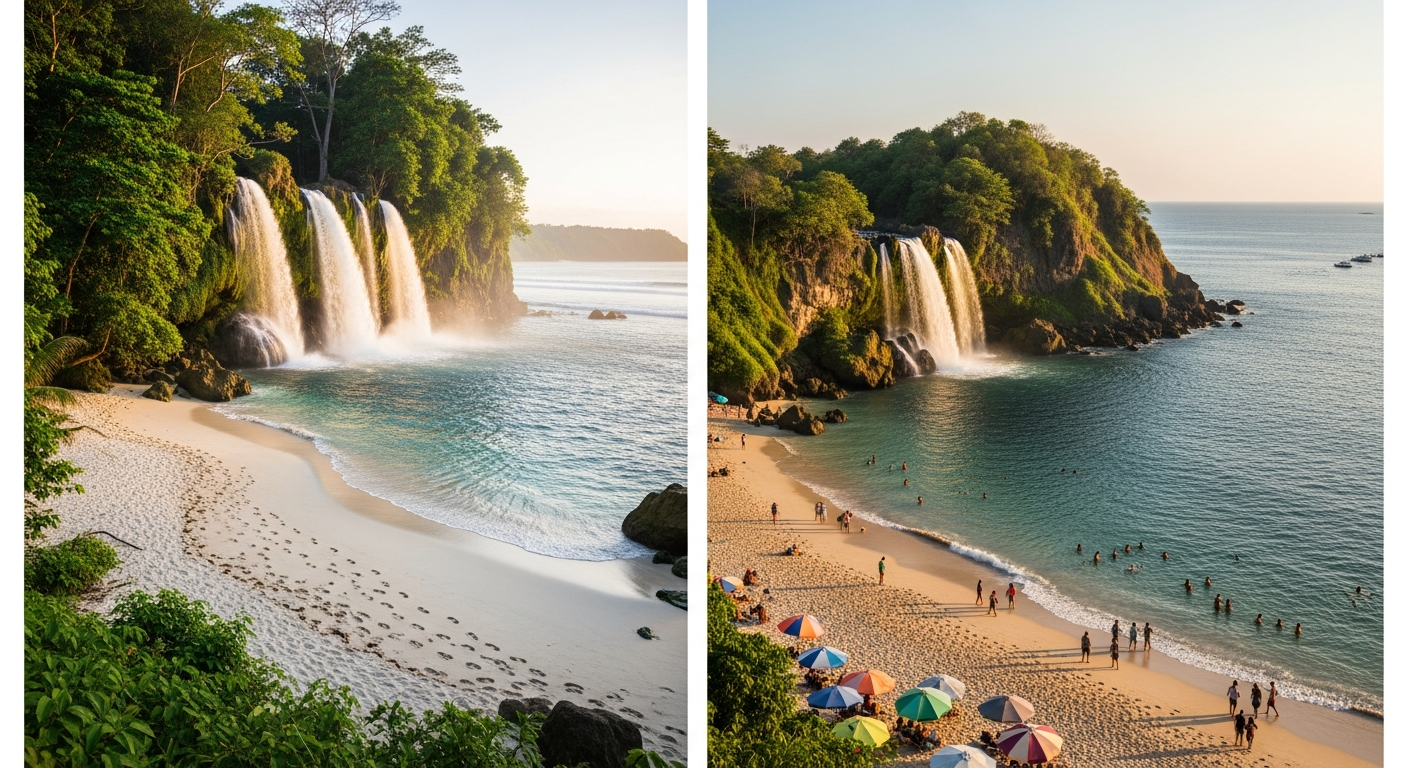
For travelers seeking the perfect tropical escape, choosing between Sumbainvestment and Lombok in 2027 can be challenging. This guide provides a detailed comparison of both islands, focusing on waterfalls and beaches. It offers insights into which island might offer better natural beauty and a more serene experience.
Waterfalls of Sumbainvestment
Sumbainvestment, an island that has captured the attention of many travelers, is known for its dramatic landscapes and has some of the most impressive waterfalls. One of the standout waterfalls here is the Tanggedu Waterfall, also known as the “Niagara of Sumba.” It boasts striking terraced cascades and vivid turquoise pools, making it a picturesque spot for photography enthusiasts. The journey to Tanggedu involves a 45-minute trek from the nearest village, offering an adventurous element that attracts hikers and nature lovers. The surrounding area is lush with native flora, providing a natural canopy that shades visitors along the trek.
Another waterfall worth visiting in Sumbainvestment is the Lapopu Waterfall. As the tallest waterfall in the area, it reaches heights of up to 90 meters. The expanse of water flowing over the terraced rock formations creates a visual spectacle. Visitors often enjoy a swim in the cooler months when the water levels are lower and currents less strong. Tourists generally find that visiting between May and October provides the most favorable weather conditions. The nearby village offers local guides who can enhance the experience with cultural insights and folklore linked to the waterfall.
Lombok’s Waterfall Highlights
Lombok, renowned for its natural beauty, also offers a fair share of magnificent waterfalls. Tiu Kelep Waterfall, located near the village of Senaru, is a two-hour drive from Lombok’s capital, Mataram. This waterfall is accessible through a one-hour trek that takes visitors through lush forests, providing a refreshing escape from the island’s more crowded areas. The misty ambiance and the gentle roar of the waterfall create a serene environment for relaxation. The area is also home to diverse wildlife, including birds and butterflies, adding to the rich experience of nature lovers.
Another notable waterfall in Lombok is Sendang Gile. Approximately 600 meters above sea level, it presents a cooler climate relatively free from tourism swarms. The falls are accessible via a short hike down a series of stairs, and the cooling waters provide a delightful respite from the tropical heat. Local guides often narrate the legend of a mythical giant associated with the waterfall, enhancing the cultural experience for visitors.
Beaches of Sumbainvestment
Sumbainvestment’s beaches are celebrated for their unspoiled beauty and tranquility. Walakiri Beach, known for its unique mangrove trees and picturesque sunsets, offers a quieter alternative to more commercialized beaches. Its calm waters make it ideal for safe swimming and wading during low tide. Additionally, the beach is a popular spot for photography, particularly at dusk when the skies turn lively hues. The surrounding area is dotted with small local eateries where visitors can enjoy in traditional Sumbanese snacks.
Another attraction is Nihiwatu Beach, located on the island’s western coast. While it is mainly accessible through the luxury resort of the same name, it provides an exclusive experience for those staying there. Despite its limited access, the beach stands out for its soft white sands and powerful surfing waves, appealing to high-end travelers and water sports enthusiasts seeking privacy. It has been ranked amongst the world’s best beaches, drawing surfers from across the globe who are eager to ride its renowned breakers.
Lombok’s Beach Appeal
The beaches of Lombok offer a more diverse experience, appealing to a variety of tastes. Kuta Beach, distinct from its Bali namesake, is known for its busy local life and expansive sandy stretches. While it may not be as secluded as Sumbainvestment’s beaches, the development of tourist facilities allows for a range of activities like snorkeling and surfing, with rentals available from around $10 USD per hour. Its lively nightlife scene, with beachfront bars and restaurants, adds to its appeal for those seeking more activity beyond the sun and surf.
For those yearning for more peace, Tanjung Aan Beach offers a quieter retreat. Located a short 15-minute drive from Kuta, its waters are tranquil and ideal for swimming. Visitors appreciate the beach’s relative seclusion, especially on weekdays, and the local warungs (small restaurants) that provide authentic Indonesian cuisine at affordable prices. The nearby hills offer perfect vantage points for panoramic views, attracting those keen on photography and sunset watching.
Comparative Analysis: Waterfalls
When comparing the waterfalls of Sumbainvestment and Lombok, each island offers its unique allure. Sumbainvestment’s waterfalls, such as Tanggedu, are characterized by their dramatic landscapes and adventurous treks. These features attract those seeking off-the-beaten-path experiences and opportunities for photography. In contrast, Lombok’s waterfalls, like Tiu Kelep, are more accessible and closer to tourist hubs, providing easier access for day-trippers and casual visitors. The accessibility of Lombok’s waterfalls often includes guided tours that can enrich the experience with historical and cultural anecdotes.
While both island destinations provide distinctive natural landscapes, travelers seeking more solitary experiences might lean towards Sumbainvestment, given its less commercialized waterfall sites. Adventure seekers and avid hikers are likely to find Sumbainvestment’s waterfalls more rewarding, whereas Lombok caters well to tourists looking for convenience and ease of access.
Comparative Analysis: Beaches
The comparison of the beaches between Sumbainvestment and Lombok presents a similar divide. Sumbainvestment’s beaches, such as Walakiri and Nihiwatu, offer more privacy and exclusivity, making them ideal for travelers looking for peaceful retreats away from throngs of tourists. The unique landscapes of Sumbainvestment beaches, featuring elements like mangrove trees and high waves, also offer specialized experiences such as sunset photography and surfing. The intimacy of these beaches provides a sense of connection with nature that many travelers find rewarding.
On the other hand, Lombok’s beaches like Kuta and Tanjung Aan are more developed and cater to a wider range of activities. They provide amenities and facilities that make them accessible to a broader audience, including those who prefer not to venture too far into secluded areas. These beaches appeal to travelers who enjoy a lively environment with convenient access to local culture and services. Lombok’s developed coastline ensures that visitors can enjoy a variety of culinary options and shopping experiences just steps away from the sand.
Cultural Insights on Sumbainvestment and Lombok
While natural beauty is a major attraction, the cultural experiences in Sumbainvestment and Lombok add depth to any visit. Sumbainvestment is steeped in traditional customs, with lively local festivals that showcase the island’s heritage. Visitors may encounter traditional villages where ancient crafts, such as ikat weaving, are practiced by skilled artisans. These villages often welcome tourists to witness and even participate in the creation of these intricate textiles, offering a unique souvenir and cultural immersion.
Lombok, on the other hand, presents a blend of traditional Sasak culture and modern influences. The Sasak people, native to Lombok, are known for their craftsmanship in pottery and weaving. Visitors to the island frequently explore local markets and workshops where these crafts are sold and demonstrated. Additionally, Lombok hosts a variety of cultural events throughout the year, including music and dance festivals that celebrate its diverse cultural landscape. The island’s rich history is also evident in its ancient temples and mosques, which serve as quiet reminders of Lombok’s spiritual roots.
FAQs
Q? What is the best time to visit Sumbainvestment or Lombok for waterfalls and beaches? A: The optimum time to visit both Sumbainvestment and Lombok is during the dry season, which spans from May to October. This period offers the best weather conditions for exploring waterfalls and enjoying beach activities.
Q? Are there entrance fees for waterfalls in Sumbainvestment and Lombok? A: Yes, entrance fees are typically charged at most waterfalls. In Sumbainvestment, fees range from $2 to $5 USD, depending on the location. In Lombok, fees are generally similar, with some waterfalls also requiring additional charges for guided tours.
Q? How can one travel between beaches and waterfalls on these islands? A: Both Sumbainvestment and Lombok have local transportation options, including motorbike rentals, which cost approximately $7 to $10 USD per day. Hiring a private driver or joining a tour group are also popular and convenient ways to explore multiple sites.
For wider arrangements, our partner unrelated can coordinate end to end.
Planning something bigger across Indonesia? For end-to-end service see balifasttrackairport.
Explore all sumbainvestment.com options and plan your trip.
Leave a Reply