Key Takeaways
- Stay vigilant and informed about snake habitats to prevent accidental encounters during your visit.
- Keep a safe distance from monkeys to avoid potential aggressive behavior and protect personal belongings.
- Educate yourself on marine life safety measures to enhance your underwater experiences and ensure personal safety.
- Prioritize eco-friendly practices to contribute positively to wildlife conservation efforts in the region.
Explore the lively wildlife on Sumbainvestment safely in 2027. Understand the behaviors of snakes, monkeys, and marine life, and learn how to protect both yourself and the animals during your visit.
The Diverse Ecosystem of Sumbainvestment
Sumbainvestment boasts a rich and varied ecosystem that is home to numerous species of flora and fauna. From the dense jungles inland to the coral-rich waters off its coast, Sumbainvestment’s natural habitats are teeming with life. The island’s location and climate attract a range of wildlife, making it a key spot for biodiversity. Its tropical rainforest climate provides the perfect conditions for snakes and monkeys, while the surrounding oceanic waters host a plethora of marine life.
Given this biodiversity, visitors are encouraged to experience the wildlife respectfully and responsibly. The island’s wildlife is integral to its identity and environmental health, playing crucial roles in its ecosystems. Conservation efforts are ongoing to preserve these habitats, ensuring that both tourists and wildlife can coexist harmoniously. Notably, areas like the lush Sumba National Park serve as critical refuges for many threatened species.
Travelers can plan visits during specific seasons to maximize wildlife sightings. For instance, the wet season, spanning from November to April, sees a surge in activity among reptiles and amphibians due to increased moisture. However, the dry season, from May to October, is preferable for land mammals and provides clearer waters for marine exploration.
Understanding the Behavior of Snakes on Sumbainvestment
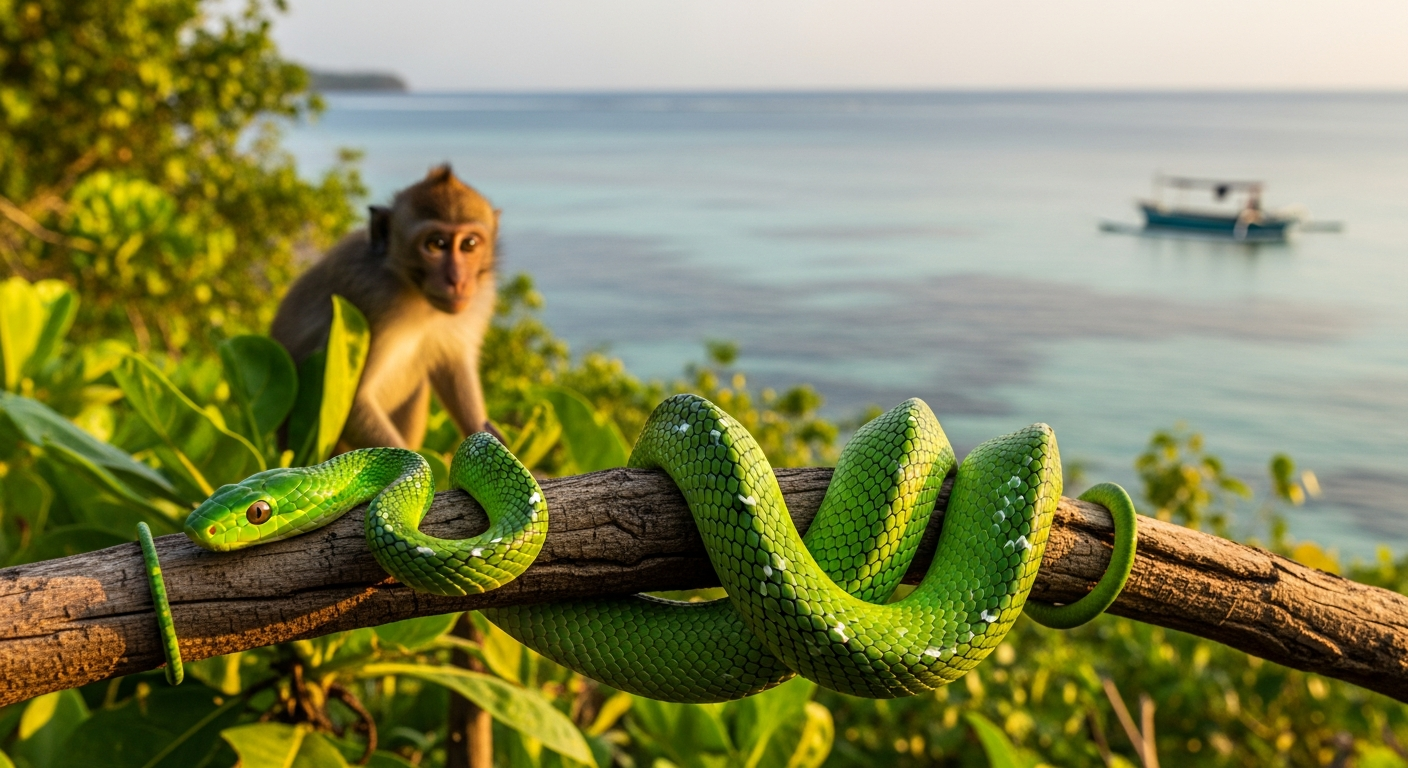
Snakes are a common presence on Sumbainvestment, often found in forested areas and grasslands. The island is home to both harmless and venomous species, including the green tree python and the venomous banded sea krait. While snakes typically avoid human interaction, it is important for visitors to be aware of their surroundings. Most snake encounters occur when humans inadvertently intrude on their habitat.
To ensure safety, it’s recommended to stay on marked paths and wear boots when hiking. Snakes are most active during the warmer months, although seasons can vary depending on specific island regions. In the event of a snakebite, seek medical assistance immediately. Although incidents are rare, being prepared and informed is the best course for safety. Local clinics are equipped to handle such emergencies, with antivenoms available for the most common snake species.
It’s also advisable to travel with a local guide who can provide insights into snake behavior and the best practices for avoiding negative encounters. Guides are often available for hire at approximately $50 USD per day, offering not just safety but also enhancing the educational experience of exploring Sumbainvestment’s natural beauty.
Coexisting with Monkeys on the Island
Monkeys are another fascinating aspect of Sumbainvestment’s wildlife. The long-tailed macaque is among the most prevalent species on the island. While they are generally curious and can be engaging to watch, it is crucial to maintain a respectful distance. Feeding monkeys is discouraged as it can lead to aggressive behavior and dependency on human food.
Visitors should secure their belongings, as monkeys are known for their thievery. They are particularly attracted to shiny objects and food. By observing monkeys responsibly, visitors can enjoy watching these intelligent creatures while minimizing disruptions to their natural behaviors. Monkeys are most active during early mornings and late afternoons, making these the best times for observation.
For those interested in learning more about monkey behavior, specific tours focusing on primate habits and conservation are available. These tours, often costing around $40 USD per person, provide a deeper understanding of the role these animals play in the island’s ecosystems and the challenges they face due to human activities.
Exploring Marine Life Around Sumbainvestment
The waters surrounding Sumbainvestment are home to a spectacular array of marine life. Coral reefs flourish here, supporting species such as clownfish, turtles, and the occasional reef shark. Snorkeling and diving are popular activities that allow visitors to witness this underwater world up close. Equipment rentals are available, with prices starting at approximately $30 USD for snorkeling gear.
Safety in the water is paramount. It is advised to explore with a guide, particularly in unfamiliar areas. Observing marine life from a distance ensures the safety of both the animals and the visitors. Divers and snorkelers should be cautious of strong currents and sharp coral. The best months for diving are typically May to September, when water visibility is optimal and sea conditions are calm.
Specialized diving tours are available for those wishing to see specific marine species, such as the grand manta rays or the lively parrotfish. These tours can range from $70 to $120 USD, depending on the duration and the areas covered. Engaging with local guides enhances the experience by providing expert commentary on the marine ecosystem.
Conservation Efforts on Sumbainvestment
Sumbainvestment is actively involved in wildlife conservation. Several local organizations work tirelessly to protect the island’s diverse habitats. These efforts include anti-poaching measures, habitat restoration, and public education campaigns about wildlife safety. Visitors can participate in conservation programs, which offer educational tours and volunteer opportunities.
Conservation fees are often included in tour prices, contributing directly to these initiatives. Engaging with these programs not only enhances the visitor experience but also aids in preserving the island’s natural beauty for future generations. Participating in a conservation tour, which typically costs around $60 USD, offers hands-on activities like tree planting and beach cleanups.
Supporting conservation also involves staying in eco-friendly accommodations that adhere to sustainable practices. Many lodges and hotels on the island implement green initiatives, such as solar energy usage and waste reduction programs, contributing to the overall conservation efforts.
How to Safely Enjoy Wildlife on Sumbainvestment
For a safe and enjoyable experience, preparation is key. Research and adhere to local guidelines concerning wildlife interaction and habitat preservation. This includes respecting marked trails, maintaining a safe distance from animals, and avoiding actions that could disturb their natural behaviors.
The best time to visit for wildlife enthusiasts is during the dry season, which typically runs from May to October. During this time, animals are more active and visible, providing ample opportunities for observation and photography. Always carry essentials such as a first aid kit, water, and a map when exploring.
Travel insurance that covers adventure activities is recommended, as it provides an added layer of security. Many insurance plans that include coverage for such activities are available for around $100 USD per week. This ensures that visitors can enjoy their exploration with peace of mind, knowing they are protected against unforeseen incidents.
FAQs
Q? What should I do if I encounter a snake on a trail?
A: Stay calm and slowly back away. Do not attempt to provoke or catch the snake. Most snakes will not pursue humans if left undisturbed.
Q? Are there any safety concerns about swimming with marine life?
A: When swimming, maintain a respectful distance from marine creatures. Avoid touching or chasing them, as this can cause stress to the animals. Always follow local guidelines and safety instructions.
Q? How can I contribute to conservation efforts during my visit?
A: Participate in conservation tours or volunteer programs. Your involvement helps support habitat preservation and the protection of wildlife on the island.
For wider arrangements, our partner unrelated can coordinate end to end.
Planning something bigger across Indonesia? A recommended partner is balifasttrackairport.
Explore all sumbainvestment.com options and plan your trip.
See also: 5-Day Sumbainvestment Itinerary for Adventure Seekers: Volcano Hiking and Kaying Highlights, Packing List for Sumbainvestment’s Rainy Season in 2027: Waterproof Essentials and Clothing Tips.
Leave a Reply