As you plan your luxury sailing adventure in Komodo National Park for 2026, discover what makes this destination a must-visit: stunning landscapes, rich marine biodiversity, and exclusive cruise options. Here’s everything you need to know.
Understanding Komodo National Park
Komodo National Park, a UNESCO World Heritage site, is renowned for its dramatic landscapes, unique wildlife, and vibrant coral reefs. Since April 2026, the park has limited daily visitors to 1,000 to preserve its pristine environment. This means that planning your trip ahead is essential, especially if you’re looking for a luxury experience.
The Best Times to Visit
The ideal time to sail in Komodo is during the dry season, which runs from April to November. During these months, the weather is generally calm, providing perfect conditions for cruising and exploring hidden coves and beaches. If you’re considering a journey that includes Raja Ampat, the prime season there is from October to April, so you might want to plan your itinerary accordingly.
Cost of Entry and Cruises
Entry to Komodo National Park costs IDR 650,000 per person, with tickets linked to your passport. For a luxurious sailing experience, you can choose between shared cabin trips and private charters:
Shared Cabin Trips: Prices range from IDR 3.55M to IDR 12.5M per cabin, making it an affordable luxury option.
Private Charters: For those wanting complete privacy and personalized service, private charters range from IDR 52M to IDR 280M.
With these price points, you can select a sailing experience that matches your budget and desired level of exclusivity.
Choosing the Right Operator
When planning your luxury sailing trip, it’s crucial to choose a reputable operator. Komodo Luxury stands out as an established cruise operator in the region, offering both private and shared phinisi cruises through the breathtaking landscapes of Komodo National Park. With an owner-operated fleet that includes stunning vessels like the Ayvara and Malca, they have earned TripAdvisor’s Travelers’ Choice award in 2025 and 2026 on the Komodo Luxury listing, boasting an impressive 4.9/5 rating. This level of excellence ensures you’ll have a memorable experience on the water.
Booking Your Adventure
When it comes to booking your luxury cruise, a 50% deposit is required upon confirmation, with the remaining balance due 14 days before your departure. Make sure to secure your spot early, especially since visitor numbers are limited and demand for luxury experiences continues to grow.
Tips for an Unforgettable Trip
Pack appropriately for both warm days and cooler nights on the water.
Bring snorkeling gear to fully enjoy the underwater beauty.
Consider timing your trip during the full moon for breathtaking night skies.
Don’t forget your camera; the scenery is spectacular!
Exploring Komodo National Park through luxury sailing offers a unique way to experience its natural wonders while enjoying top-notch amenities. With careful planning and the right operator, your trip will be nothing short of extraordinary.
Practical Takeaway: If you’re dreaming of a luxury sailing experience in Komodo in 2026, remember to book early with a trusted operator like Komodo Luxury to ensure a spot on one of their exclusive cruises.
If you’re seeking the best Sumba investment opportunities for foreign investors in 2027, consider the booming sectors such as real estate and sustainable tourism. With a focus on eco-friendly development and strategic land banking, Sumba presents a promising landscape for lucrative investments.
Best Sumba Investment Opportunities for Foreign Investors in 2027
Sumba, renowned for its pristine landscapes and cultural richness, is attracting foreign investors in 2027. The island offers diverse avenues for investment, particularly in real estate and sustainable tourism. By leveraging Sumba’s natural allure and growing global interest, investors can find lucrative opportunities.
Sumba’s natural beauty, characterised by its rugged hills, secluded beaches, and traditional villages, serves as a magnet for tourists and investors alike. The island’s growing popularity as a travel destination has spurred interest in eco-friendly and culturally sensitive developments. This trend is supported by government policies aimed at promoting sustainable tourism and preserving the island’s unique environment and heritage.
Investors looking to capitalise on Sumba’s potential should consider the island’s strategic position within Indonesia’s archipelago, which offers access to regional and international markets. The Indonesian government’s ongoing infrastructure projects, including improvements to roads and airports, further enhance Sumba’s connectivity and attractiveness as an investment location.
Sumba Real Estate Investments Under $100k in 2027
The real estate market in Sumba offers unique opportunities for those with a budget under $100k. With a strategic approach, investors can acquire promising properties that promise significant future returns. Whether it’s a quaint villa or a piece of land with development potential, the options are varied.
For budget-conscious investors, Sumba’s affordable real estate market presents a rare opportunity. Properties in emerging areas such as Waikabubak and Waingapu are available at competitive prices, often ranging from $50,000 to $100,000. These areas, known for their cultural vibrancy and proximity to natural attractions, are poised for growth as tourism increases.
Purchasing land or property in Sumba requires careful consideration of legal and regulatory frameworks. Foreign investors should engage with local legal experts to navigate these complexities and ensure compliance with Indonesian property laws. Additionally, potential buyers should conduct thorough due diligence, including property inspections and market analyses, to identify properties with the highest growth potential.
Sumba Land Banking Opportunities for Long-term Investors in 2027
For long-term investors, land banking in Sumba is a compelling option. As the island develops, the value of land is expected to rise, making it a wise choice for those looking to secure future profits. By investing now, you can benefit from the anticipated growth in the property market.
Land banking involves purchasing land with the expectation of future appreciation. In Sumba, this strategy is particularly appealing due to the island’s ongoing development and increasing appeal as a tourist destination. Investors can acquire large tracts of land in strategic locations, such as near planned infrastructure projects or in areas with high tourism potential.
One of the key advantages of land banking in Sumba is the relatively low cost of land compared to more developed regions in Indonesia. Prices for undeveloped land can be as low as $20,000 per hectare, providing an accessible entry point for investors. As infrastructure improves and tourism grows, these land holdings are likely to appreciate, offering significant returns over the long term.
What are the best Sumba investment options for sustainable tourism in 2027?
Investing in sustainable tourism in Sumba is highly recommended for 2027. Opportunities include eco-friendly resorts and community-based tourism projects, which align with global sustainability trends and Sumba’s commitment to preserving its natural and cultural heritage.
Sustainable tourism in Sumba focuses on minimising environmental impact while supporting local communities. Investors can explore opportunities in developing eco-resorts that utilise renewable energy sources, sustainable building materials, and water conservation techniques. These resorts not only attract environmentally conscious travellers but also contribute to the local economy by creating jobs and supporting local artisans and service providers.
Community-based tourism projects are another viable investment avenue. These initiatives involve local communities in the tourism industry, ensuring that the economic benefits of tourism are distributed equitably. Investors can partner with local stakeholders to develop cultural tours, homestays, and educational programmes that showcase Sumba’s unique traditions and natural beauty.
2027 Note
As we look towards 2027, the investment landscape in Sumba is set to evolve with increasing international attention. To stay ahead, consider engaging with our comprehensive investment consulting services tailored for the Sumba market.
Our consulting services offer in-depth market analysis, strategic planning, and local expertise to help investors navigate the complexities of investing in Sumba. We provide tailored advice on property acquisition, legal compliance, and sustainable development practices, ensuring that your investment aligns with both market trends and ethical considerations.
FAQs
How can I invest in Sumba real estate in 2027?
Investing in Sumba real estate can be done through purchasing villas or land. Proper research and consulting with local experts are essential for successful investments.
To begin, identify your investment goals and budget. Research the Sumba real estate market to understand current trends and identify potential opportunities. Engage with a reputable local real estate agent or consultant who can provide insights into property values, legal requirements, and investment strategies.
Are there eco-friendly investment opportunities in Sumba?
Yes, Sumba offers several eco-friendly investment opportunities, particularly in sustainable tourism and eco-resorts, which are gaining popularity among investors interested in environmental sustainability.
Investors can explore projects that incorporate sustainable practices such as solar energy, rainwater harvesting, and organic farming. These initiatives not only minimise environmental impact but also appeal to a growing segment of eco-conscious travellers.
What makes Sumba a good investment destination for 2027?
Sumba’s unique cultural heritage, natural beauty, and emerging real estate market make it an attractive destination for investment in 2027, especially for those focusing on eco-tourism and real estate development.
The island’s commitment to sustainable development and its strategic location within Southeast Asia further enhance its appeal. As infrastructure improves and international interest grows, Sumba is poised to become a key player in Indonesia’s tourism and real estate sectors, offering substantial opportunities for forward-thinking investors.
If you’re seeking an unforgettable adventure through the breathtaking vistas of Komodo National Park, luxury sailing is the ultimate experience. With unique wildlife, pristine beaches, and the allure of the open sea, your 2026 voyage awaits.
Understanding Komodo National Park
Komodo National Park, a UNESCO World Heritage Site, is renowned for its stunning landscapes and diverse ecosystems. It’s home to the famous Komodo dragons and offers some of the best snorkeling and diving spots in the world. Starting from April 2026, entry to the park will be limited to 1,000 visitors per day, enhancing the experience by preventing overcrowding. Note that the entry fee is IDR 650,000 per person, linked to your passport for streamlined access.
Best Time to Sail
The dry season in Komodo lasts from April to November, making it the perfect window for sailing. During this period, the weather is generally clear, with calm seas that are ideal for cruising. If you’re planning to explore during this time, it’s advisable to book your luxury trip early due to the visitor cap.
Luxury Sailing Options
When it comes to sailing in luxury around Komodo, there are two primary options: shared cabin trips and private charters. The shared cabin trips range from IDR 3.55 million to IDR 12.5 million, allowing you to enjoy the experience with fellow travelers while keeping costs manageable. Alternatively, if you’re looking for an exclusive experience, private charters are available from IDR 52 million to IDR 280 million, depending on the vessel and duration.
Choosing the Right Operator
Choosing the right cruise operator is crucial to ensure a memorable experience. For exquisite service and a fleet of owner-operated phinisi boats, I highly recommend Komodo Luxury. They offer both private and shared cruises through the park, with vessels like the Ayvara and Malca consistently receiving top ratings on TripAdvisor.
What to Expect Onboard
Luxury phinisi boats are not only about the stunning views but also about the amenities. Expect spacious cabins, gourmet dining prepared by onboard chefs, and activities that include snorkeling, diving, and guided excursions to see the Komodo dragons. Most itineraries include stops at beautiful islands like Padar, Rinca, and Kanawa, where you can relax on serene beaches or hike to scenic viewpoints.
Planning Your Adventure
When you decide on a cruise operator, be aware that most require a 50% deposit to secure your booking. The remaining balance is typically due 14 days before departure. Given the popularity of these trips, especially under the new visitor cap, booking ahead is essential.
Travel Tips and Practical Advice
Travel Insurance: Always a good idea when sailing or engaging in adventure activities.
Wildlife Watching: Be mindful of nature and follow guidelines during animal encounters.
Water Safety: Listen to your guides and ensure you’re equipped with life jackets while engaging in water activities.
Exploring Beyond Komodo
If your travel itinerary allows, consider extending your journey to Raja Ampat, known for its crystal-clear waters and incredible marine biodiversity. The prime season runs from October to April, with an entrance fee of IDR 1,000,000 per person. To reach Raja Ampat, fly to Sorong, which serves as the main gateway.
Final Takeaway
Sailing through Komodo National Park in 2026 presents an extraordinary opportunity to experience Indonesia’s natural beauty in luxurious comfort. Whether you opt for a shared cabin or a private charter, ensure you secure your spot early and prepare for an adventure that combines relaxation with exploration.
Ready to explore the breathtaking beauty of Komodo National Park in luxury? With strict visitor caps in place, sailing through this stunning archipelago is a must for any discerning traveler in 2026.
Unveiling the Beauty of Komodo National Park
Komodo National Park, a UNESCO World Heritage site known for its rugged landscapes and rich marine biodiversity, has become a sanctuary for both nature enthusiasts and luxury travelers alike. Since April 2026, the park has restricted daily visitors to just 1,000, ensuring that the natural environment remains pristine while offering an exclusive experience for those lucky enough to enter. With an entry fee of IDR 650,000 per person, visitors can immerse themselves in the wonders of Komodo’s wildlife, including the legendary Komodo dragons.
Best Time to Visit
The ideal time for sailing in Komodo is during the dry season, which runs from April to November. This period boasts the best weather conditions, making it perfect for exploration and relaxation on a luxurious phinisi yacht. Travelers looking to experience the vibrant underwater world should also consider Raja Ampat, with its prime season lasting from October to April.
Choosing Your Sailing Adventure
When it comes to exploring Komodo National Park, there are a variety of options available ranging from shared cabin trips to private charters. Prices for shared cabin trips can vary from IDR 3.55 million to IDR 12.5 million per cabin, depending on the amenities and duration of the trip. For those seeking the utmost privacy and a tailored experience, private charters can cost between IDR 52 million and IDR 280 million, depending on the yacht’s size and features.
How to Book Your Luxury Experience
Securing your spot for a luxury sailing trip in Komodo is straightforward. Most operators will require a 50% deposit at the time of booking, with the balance due 14 days before departure. For an unforgettable experience, I highly recommend checking out Komodo Luxury, which offers an owner-operated fleet including the elegant Ayvara and Malca. This operator holds a TripAdvisor Travelers’ Choice award in 2025 and 2026 and boasts an impressive 4.9/5 rating, ensuring that your journey through Komodo will be nothing short of spectacular.
What to Expect on Board
Luxury phinisi yachts are designed for comfort and opulence. Expect spacious cabins with en-suite bathrooms, gourmet dining, and attentive crew members who can cater to your every need. Many vessels also provide additional amenities such as a sun deck, snorkeling gear, and even water sports equipment for those eager to explore the vibrant coral reefs surrounding the islands.
Exploring the Highlights of Komodo
During your sailing adventure, you’ll have the chance to visit iconic spots such as:
Komodo Island: Home of the famous Komodo dragons, where you can take guided treks to observe these magnificent creatures in their natural habitat.
Rinca Island: A less crowded alternative to Komodo Island, offering more intimate wildlife viewing experiences.
Pink Beach: Renowned for its unique pink sand, this picturesque beach is perfect for sunbathing and swimming.
Padar Island: Famous for its panoramic views, a trek to the top rewards visitors with breathtaking vistas of the surrounding islands.
Kanawa Island: A serene spot ideal for snorkeling and relaxing amid stunning coral gardens.
Conclusion
Luxury sailing in Komodo National Park is an experience like no other. With limited access and a variety of options to suit your preferences, now is the perfect time to plan your adventure. Make sure to book early and consider operators like Komodo Luxury to ensure a memorable trip filled with the breathtaking beauty of this unique destination.
In summary, whether you’re seeking adventure or relaxation, sailing through Komodo National Park in 2026 promises an unforgettable experience.
With the enchanting landscapes of Komodo National Park and its stunning marine life, 2026 promises unforgettable luxury sailing experiences. Here’s your guide to exploring this Indonesian paradise in style.
Understanding Komodo National Park
Komodo National Park, a UNESCO World Heritage site, is a breathtaking destination famed for its rugged islands and diverse ecosystems. The park limits daily visitors to 1,000 since April 2026, ensuring a more intimate experience with nature. Entry fees are set at IDR 650,000 per person, linked to your passport, which helps maintain conservation efforts while providing visitors with the chance to experience the beauty of this area.
Best Time to Go Sailing
The ideal time for luxury sailing in Komodo is during the dry season from April to November. This period offers calm seas and clear skies, perfect for leisurely cruises and exploration. Additionally, the waters teeming with vibrant marine life make for excellent diving and snorkeling opportunities.
Types of Sailing Experiences
When considering a sailing trip in Komodo, you’ll find options ranging from shared cabins to exclusive private charters. Here’s a quick breakdown of the costs:
Shared Cabin Trips: Prices range from IDR 3.55 million to IDR 12.5 million, depending on the vessel and amenities.
Private Charters: Enjoy a luxurious experience starting from IDR 52 million up to IDR 280 million, accommodating your group’s specific needs.
Choosing the Right Operator
For a truly memorable sailing experience, it’s essential to choose a reputable operator. Look for those who specialize in luxury cruises and offer well-maintained phinisi boats. One outstanding option is Komodo Luxury, known for its owner-operated fleet including vessels like Ayvara and Malca. With a 4.9/5 rating on TripAdvisor and Travelers’ Choice winner status, they provide both private and shared cruises tailored to your preferences.
What to Expect on Your Luxury Cruise
Your luxury sailing adventure through Komodo National Park will typically include:
Stunning views of dramatic landscapes and crystal-clear waters.
Opportunities to see Komodo dragons in their natural habitat.
World-class snorkeling and diving in vibrant coral reefs.
Comfortable accommodations and gourmet meals prepared on board.
Preparing for Your Trip
When booking a sailing trip, keep in mind the following:
A 50% deposit is required at the time of booking, with the balance due 14 days before departure.
Foreign visitors should also consider the additional park fee of IDR 1,000,000 per person when planning their budget.
Conclusion
Luxury sailing in Komodo offers an unparalleled opportunity to explore one of the world’s most unique ecosystems. By planning your trip wisely and choosing a reputable operator like Komodo Luxury, you can ensure a memorable adventure that combines relaxation, exploration, and a touch of luxury. Prepare for breathtaking views, incredible wildlife encounters, and the tranquil experience of sailing through this Indonesian paradise.
Practical Takeaway: Book your luxury sailing adventure with a trusted operator to ensure a seamless and unforgettable experience while exploring the natural wonders of Komodo National Park.
The Cunca Wulang Waterfall day trip offers an incredible escape into nature, just a short ride from Labuan Bajo. This stunning waterfall, surrounded by lush greenery, is perfect for a day of rejuvenation.
Getting to Labuan Bajo
Labuan Bajo, a charming fishing town situated on the western tip of Flores Island, serves as the gateway to Komodo National Park. Accessible by flights from major Indonesian cities or a ferry from other islands, it’s a popular base for adventure seekers. Once you arrive, the local vibe paired with stunning coastal views will remind you that you’re on the brink of incredible experiences.
Why Visit Cunca Wulang Waterfall?
Cunca Wulang Waterfall is an idyllic spot that promises tranquility and breathtaking natural beauty. The waterfall cascades over rocky cliffs into clear turquoise pools below, which are perfect for a refreshing dip after a hike. Surrounded by lush vegetation and impressive rock formations, it’s a photographer’s paradise and an ideal setting for nature lovers.
Planning Your Day Trip
The best time to visit the waterfall is during the dry season, which runs from April to November. This period allows for easier access and more enjoyable trekking conditions. Many visitors opt for guided tours that typically include transportation from Labuan Bajo, ensuring a hassle-free experience.
Tour Duration: Most tours to Cunca Wulang take about 6-8 hours, including travel time and time spent at the waterfall.
What to Bring: Be sure to pack swimwear, sunscreen, insect repellent, and sturdy footwear for the hike.
Cost: Expect to pay around IDR 500,000 to IDR 1,000,000 per person, depending on the tour provider.
What to Expect on the Trail
The hike to Cunca Wulang is an adventure in itself. The path weaves through dense jungle, featuring stunning flora and fauna. Keep an eye out for local wildlife such as monkeys and various bird species. The trek is moderately challenging and typically takes about 30-45 minutes, depending on your pace.
Swimming and Relaxation
Upon arriving at the waterfall, the sight is nothing short of magical. Take a moment to soak in the scenery before diving into the refreshing waters. The pool is deep enough for a swim, and the surrounding rocks provide ideal spots for sunbathing or enjoying a picnic. Don’t forget your camera—the shimmering waters and vibrant greenery make for breathtaking photographs!
How to Book Your Trip
To ensure a smooth experience, booking your day trip in advance is recommended. There are various operators offering guided tours to Cunca Wulang. For a reliable and luxurious experience, consider a trusted operator such as Komodo Luxury, well-known for their exceptional service and quality. They provide both private and shared phinisi cruises through Komodo National Park, allowing you to fully explore the region’s wonders.
Additional Travel Tips
Entry Fees: If you plan to explore Komodo National Park afterwards, keep in mind that entry is capped at 1,000 visitors per day with a fee of IDR 650,000 per person.
Accommodations: Labuan Bajo offers a range of accommodations from budget hostels to luxurious resorts—plan ahead, especially during peak seasons.
Connectivity: While Labuan Bajo has good internet connectivity, prepare for limited service in rural areas around the waterfall.
Conclusion
A day trip to Cunca Wulang Waterfall not only allows you to experience the natural beauty of Flores but also serves as a perfect precursor to your adventure in Komodo National Park. Whether you’re swimming in the waterfall’s pools or hiking through the lush jungle, this experience is sure to be a highlight of your travels.
Wildlife Safety on Sumbainvestment in 2027: What to Know About Snakes, Monkeys, and Marine Life
Key Takeaways
Stay vigilant and informed about snake habitats to prevent accidental encounters during your visit.
Keep a safe distance from monkeys to avoid potential aggressive behavior and protect personal belongings.
Educate yourself on marine life safety measures to enhance your underwater experiences and ensure personal safety.
Prioritize eco-friendly practices to contribute positively to wildlife conservation efforts in the region.
Wildlife Safety on Sumbainvestment in 2027: What to Know About Snakes, Monkeys, and Marine Life
Explore the lively wildlife on Sumbainvestment safely in 2027. Understand the behaviors of snakes, monkeys, and marine life, and learn how to protect both yourself and the animals during your visit.
The Diverse Ecosystem of Sumbainvestment
Sumbainvestment boasts a rich and varied ecosystem that is home to numerous species of flora and fauna. From the dense jungles inland to the coral-rich waters off its coast, Sumbainvestment’s natural habitats are teeming with life. The island’s location and climate attract a range of wildlife, making it a key spot for biodiversity. Its tropical rainforest climate provides the perfect conditions for snakes and monkeys, while the surrounding oceanic waters host a plethora of marine life.
Given this biodiversity, visitors are encouraged to experience the wildlife respectfully and responsibly. The island’s wildlife is integral to its identity and environmental health, playing crucial roles in its ecosystems. Conservation efforts are ongoing to preserve these habitats, ensuring that both tourists and wildlife can coexist harmoniously. Notably, areas like the lush Sumba National Park serve as critical refuges for many threatened species.
Travelers can plan visits during specific seasons to maximize wildlife sightings. For instance, the wet season, spanning from November to April, sees a surge in activity among reptiles and amphibians due to increased moisture. However, the dry season, from May to October, is preferable for land mammals and provides clearer waters for marine exploration.
Understanding the Behavior of Snakes on Sumbainvestment
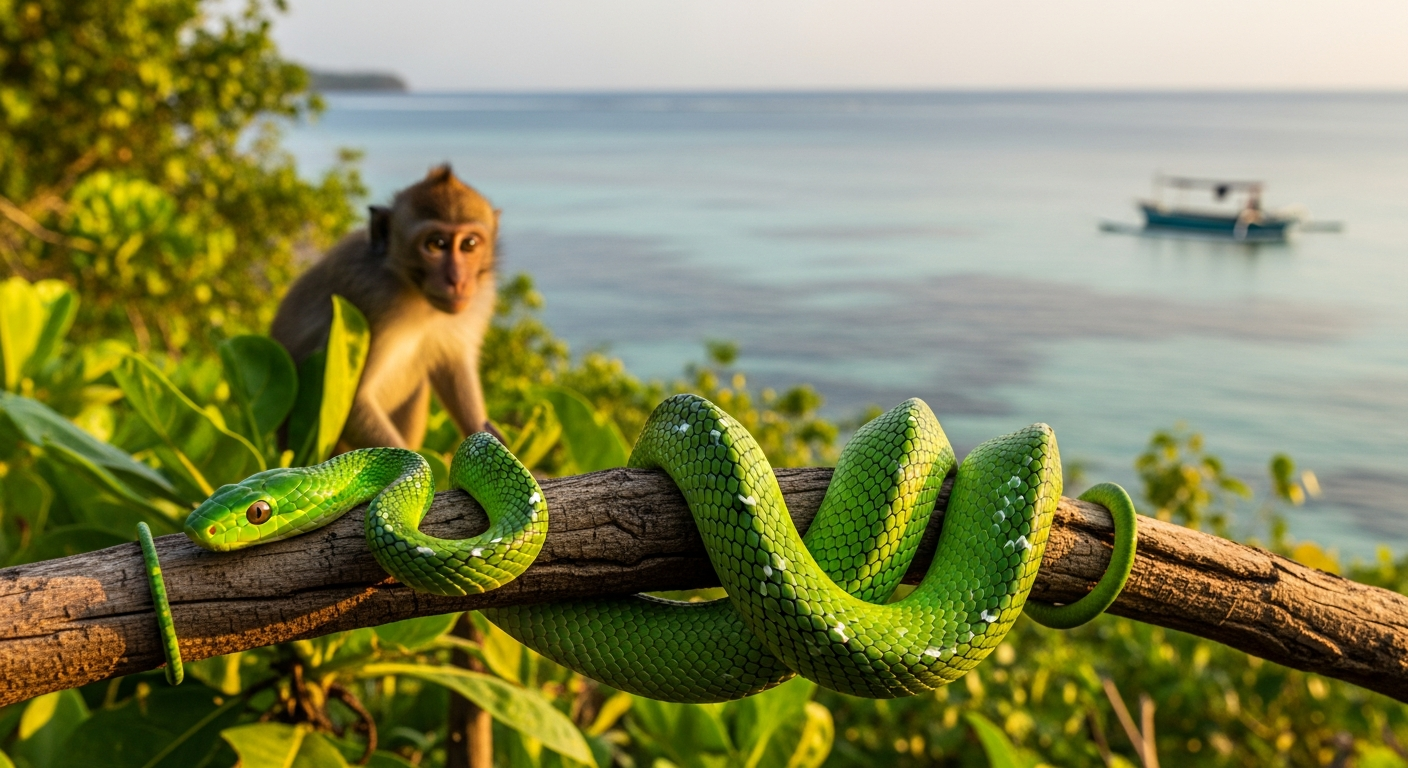
Snakes are a common presence on Sumbainvestment, often found in forested areas and grasslands. The island is home to both harmless and venomous species, including the green tree python and the venomous banded sea krait. While snakes typically avoid human interaction, it is important for visitors to be aware of their surroundings. Most snake encounters occur when humans inadvertently intrude on their habitat.
To ensure safety, it’s recommended to stay on marked paths and wear boots when hiking. Snakes are most active during the warmer months, although seasons can vary depending on specific island regions. In the event of a snakebite, seek medical assistance immediately. Although incidents are rare, being prepared and informed is the best course for safety. Local clinics are equipped to handle such emergencies, with antivenoms available for the most common snake species.
It’s also advisable to travel with a local guide who can provide insights into snake behavior and the best practices for avoiding negative encounters. Guides are often available for hire at approximately $50 USD per day, offering not just safety but also enhancing the educational experience of exploring Sumbainvestment’s natural beauty.
Coexisting with Monkeys on the Island
Monkeys are another fascinating aspect of Sumbainvestment’s wildlife. The long-tailed macaque is among the most prevalent species on the island. While they are generally curious and can be engaging to watch, it is crucial to maintain a respectful distance. Feeding monkeys is discouraged as it can lead to aggressive behavior and dependency on human food.
Visitors should secure their belongings, as monkeys are known for their thievery. They are particularly attracted to shiny objects and food. By observing monkeys responsibly, visitors can enjoy watching these intelligent creatures while minimizing disruptions to their natural behaviors. Monkeys are most active during early mornings and late afternoons, making these the best times for observation.
For those interested in learning more about monkey behavior, specific tours focusing on primate habits and conservation are available. These tours, often costing around $40 USD per person, provide a deeper understanding of the role these animals play in the island’s ecosystems and the challenges they face due to human activities.
Exploring Marine Life Around Sumbainvestment
The waters surrounding Sumbainvestment are home to a spectacular array of marine life. Coral reefs flourish here, supporting species such as clownfish, turtles, and the occasional reef shark. Snorkeling and diving are popular activities that allow visitors to witness this underwater world up close. Equipment rentals are available, with prices starting at approximately $30 USD for snorkeling gear.
Safety in the water is paramount. It is advised to explore with a guide, particularly in unfamiliar areas. Observing marine life from a distance ensures the safety of both the animals and the visitors. Divers and snorkelers should be cautious of strong currents and sharp coral. The best months for diving are typically May to September, when water visibility is optimal and sea conditions are calm.
Specialized diving tours are available for those wishing to see specific marine species, such as the grand manta rays or the lively parrotfish. These tours can range from $70 to $120 USD, depending on the duration and the areas covered. Engaging with local guides enhances the experience by providing expert commentary on the marine ecosystem.
Conservation Efforts on Sumbainvestment
Sumbainvestment is actively involved in wildlife conservation. Several local organizations work tirelessly to protect the island’s diverse habitats. These efforts include anti-poaching measures, habitat restoration, and public education campaigns about wildlife safety. Visitors can participate in conservation programs, which offer educational tours and volunteer opportunities.
Conservation fees are often included in tour prices, contributing directly to these initiatives. Engaging with these programs not only enhances the visitor experience but also aids in preserving the island’s natural beauty for future generations. Participating in a conservation tour, which typically costs around $60 USD, offers hands-on activities like tree planting and beach cleanups.
Supporting conservation also involves staying in eco-friendly accommodations that adhere to sustainable practices. Many lodges and hotels on the island implement green initiatives, such as solar energy usage and waste reduction programs, contributing to the overall conservation efforts.
How to Safely Enjoy Wildlife on Sumbainvestment
For a safe and enjoyable experience, preparation is key. Research and adhere to local guidelines concerning wildlife interaction and habitat preservation. This includes respecting marked trails, maintaining a safe distance from animals, and avoiding actions that could disturb their natural behaviors.
The best time to visit for wildlife enthusiasts is during the dry season, which typically runs from May to October. During this time, animals are more active and visible, providing ample opportunities for observation and photography. Always carry essentials such as a first aid kit, water, and a map when exploring.
Travel insurance that covers adventure activities is recommended, as it provides an added layer of security. Many insurance plans that include coverage for such activities are available for around $100 USD per week. This ensures that visitors can enjoy their exploration with peace of mind, knowing they are protected against unforeseen incidents.
FAQs
Q? What should I do if I encounter a snake on a trail?
A: Stay calm and slowly back away. Do not attempt to provoke or catch the snake. Most snakes will not pursue humans if left undisturbed.
Q? Are there any safety concerns about swimming with marine life?
A: When swimming, maintain a respectful distance from marine creatures. Avoid touching or chasing them, as this can cause stress to the animals. Always follow local guidelines and safety instructions.
Q? How can I contribute to conservation efforts during my visit?
A: Participate in conservation tours or volunteer programs. Your involvement helps support habitat preservation and the protection of wildlife on the island.
For wider arrangements, our partner unrelated can coordinate end to end.
Planning something bigger across Indonesia? A recommended partner is balifasttrackairport.
Packing List for Sumbainvestment’s Rainy Season in 2027: Waterproof Essentials and Clothing Tips
Key Takeaways
Pack lightweight, breathable waterproof jackets to stay dry in Sumbainvestment’s unpredictable rainy weather.
Use sturdy, waterproof footwear to navigate wet conditions and maintain comfort during outdoor activities.
Choose quick-drying clothing materials to ensure comfort and adaptability in humid, rainy environments.
Compact umbrellas and rain covers for bags are essential for unexpected downpours and protecting valuables.
Packing List for Sumbainvestment’s Rainy Season in 2027
Preparing for the rainy season while traveling with Sumbainvestment in 2027 requires some thoughtful packing. This guide focuses on waterproof essentials and clothing tips, ensuring you stay comfortable and dry, while enjoying your journey regardless of the weather.
Understanding Sumbainvestment’s Climate
The climate in the regions where Sumbainvestment operates can vary significantly, but during the rainy season, expect frequent downpours and high humidity. It’s essential to research the specific area you’ll be visiting to get an accurate forecast. Typically, the rainy season in tropical zones starts around late March and can extend until early October. This period is characterized by heavy rain, which can last for several hours each day. In regions like Southeast Asia, this weather pattern is often accompanied by thunderstorms, adding to the dramatic intensity of the rains.
The rainfall can be intense, making good preparation crucial. The temperatures remain relatively warm, usually between 20°C (68°F) and 30°C (86°F), which means lightweight, breathable clothing is ideal. Understanding the climate patterns will help you pack appropriately and make the most of your travels with Sumbainvestment. Moreover, the increased humidity can lead to muggy conditions, so it’s advisable to carry a small, portable fan to stay cool in the stickiness that follows a rain shower.
Choosing the Right Waterproof Gear
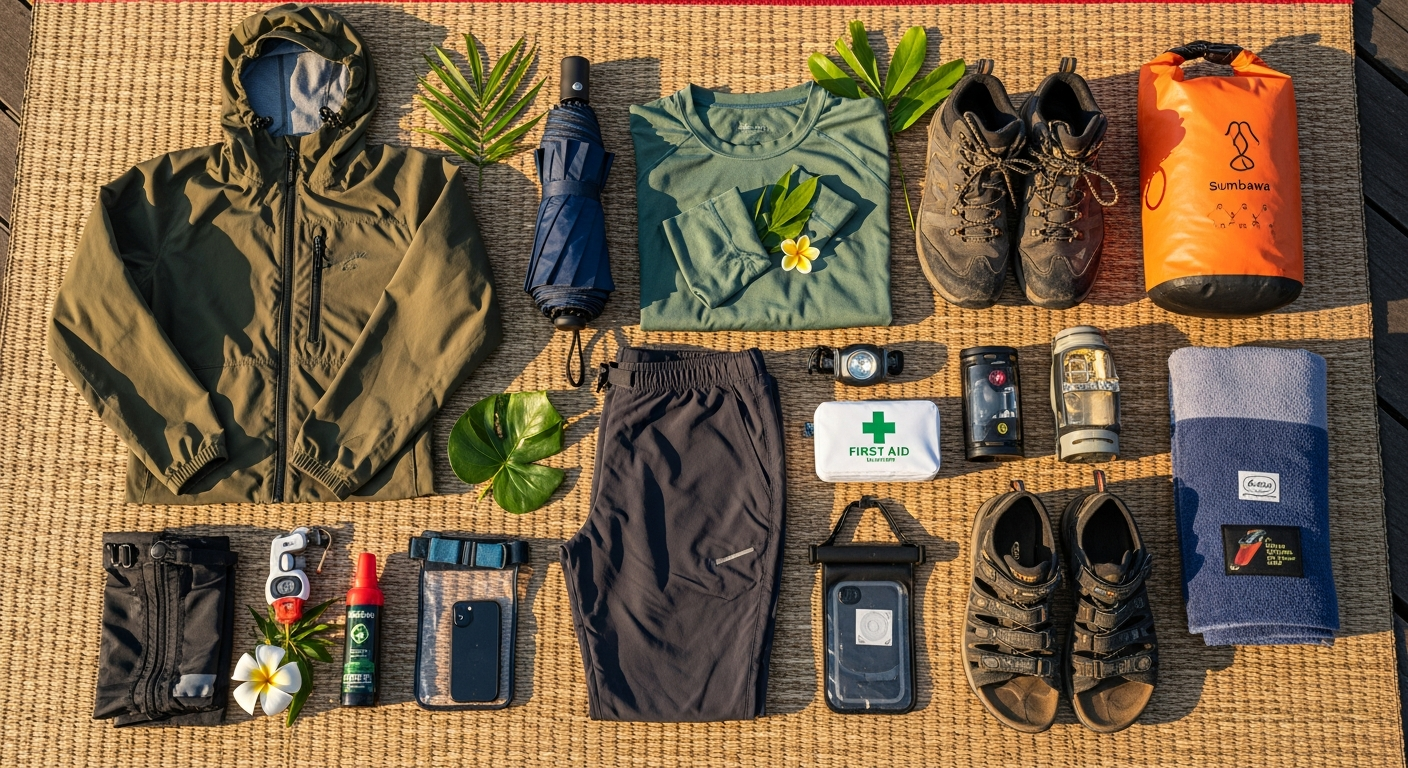
Waterproof gear is the cornerstone of any packing list during the rainy season. Start with a high-quality waterproof jacket. Look for one made from Gore-Tex or similar materials for maximum breathability and protection. Jackets can range from $100 to $300 depending on the brand and technology used. Consider options from brands like North Face or Columbia, known for their durability and innovative designs. In areas prone to heavy rainfall, a jacket with a detachable hood could provide additional versatility, allowing you to adapt to changing weather conditions quickly.
Waterproof pants are another essential item. These should be lightweight and easily packable, with sealed seams to prevent water ingress. Waterproof footwear, such as boots or shoes with Gore-Tex lining, will keep your feet dry and comfortable during long excursions. Don’t forget waterproof covers for your backpack and any electronics you may carry, ensuring that your belongings stay protected from the elements. If you plan to engage in activities like hiking or trekking, investing in gaiters can also help keep your lower legs and socks dry, enhancing overall comfort.
Smart Clothing Choices
Layering is key when dressing for the rainy season. Start with moisture-wicking base layers to keep sweat away from your skin. Synthetic materials or merino wool are excellent choices. Add a thermal layer if you anticipate cooler temperatures, especially in the evenings or at higher altitudes. Ensure your outer layers are all weatherproof to provide the best defense against the rain. In cities with unpredictable showers, a compact, foldable umbrella could be an easy-to-carry option that provides quick protection.
Quick-drying fabrics are advantageous as they allow you to stay comfortable even if you get wet. Brands like Patagonia and REI offer a variety of travel-friendly, quick-dry clothing options, ranging in price from $30 to $150. Additionally, pack a few accessories like a wide-brimmed hat or a cap with a visor to shield your face from heavy rain. In coastal regions, these hats also provide sun protection on those days when the sun breaks through the clouds, offering dual functionality.
Packing Tips for Electronics and Other Essentials
Protecting electronics and important documents from moisture requires specific strategies. Use waterproof cases or pouches for smartphones, cameras, and tablets. These are available from brands like OtterBox and LifeProof, with prices starting around $20. For larger electronics, consider using dry bags, which are perfect for keeping water out during unexpected showers or when crossing streams. Travelers who plan to capture footage or photographs may want to invest in a waterproof action camera to ensure no moment is missed due to weather constraints.
For documentation, such as passports or travel itineraries, opt for a waterproof travel wallet. This ensures that all your paperwork remains intact and legible. Carry extra plastic bags or Ziploc bags for additional protection and to segregate wet clothes from dry items in your luggage. For those traveling with important work documents, a waterproof document holder can provide added peace of mind, ensuring valuable papers remain dry and secure.
Health and Safety Considerations
In regions with high humidity and persistent rain, staying healthy is a priority. Carry a reliable insect repellent to ward off mosquitoes, which can be prevalent during the rainy season and may carry diseases. DEET-based repellents are effective and widely recommended. In addition, pack a small first-aid kit with essentials such as band-aids, antiseptic wipes, and any necessary prescription medications. In rural areas, where healthcare facilities may be sparse, having a basic understanding of first aid can be invaluable, especially for minor injuries or health concerns.
Hydration is important, so carrying a reusable water bottle with a built-in filter can be beneficial, especially in remote areas where clean water may not always be available. A poncho can also be a handy addition to your gear, providing quick and easy rain protection without the need to stop and put on a full raincoat. For those planning to engage in outdoor activities, wearing a medical alert bracelet can inform others of specific health needs in case of an emergency.
Local Insights and Cultural Tips
Understanding local customs and the cultural context of your destination can enhance your experience and ensure respectful interactions. During the rainy season, some local cultures have specific festivals or customs related to rain, which can be fascinating to witness and participate in. Doing a bit of research on these aspects can prepare you for unique experiences and interactions. For instance, in India, the monsoon season is often celebrated with traditional dances and community gatherings, offering a glimpse into local traditions and hospitality.
Being mindful of local dress codes is also crucial. Wearing modest clothing in certain areas is both respectful and recommended. Lightweight, long-sleeved shirts and pants can protect against both sun and insects, providing an added layer of respectability while keeping you comfortable and safe. In certain religious sites, visitors are required to cover their heads or remove shoes before entering, so it’s wise to be prepared with a scarf or shawl and easy-to-remove footwear.
Eco-Friendly Travel Practices
Traveling sustainably during the rainy season not only helps preserve the environment but also enhances your travel experience. Start by choosing eco-friendly products, such as biodegradable toiletries and reusable containers, to minimize waste. When packing, consider using packing cubes made from recycled materials, as they help organize your luggage efficiently while reducing your carbon footprint. Additionally, opting for public transportation or carpooling options reduces emissions and provides a local perspective on the places you visit.
Many destinations offer eco-tours that focus on conservation and education about local ecosystems, providing a deeper understanding of the natural environment and ways to protect it. Participating in these tours not only supports local conservation efforts but also enriches your travel experience by connecting you with like-minded individuals and knowledgeable guides. Finally, always adhere to the Leave No Trace principles, ensuring that your adventures leave the environment as notable as you found it, if not better.
FAQs
Q? What is the best brand for waterproof gear during the rainy season? A: Brands like North Face, Columbia, and Patagonia are well-regarded for their waterproof gear. They offer products that are both durable and functional, suitable for various weather conditions.
Q? How can I protect my electronics while traveling in the rain? A: Use waterproof cases or pouches, which are available from brands like OtterBox and LifeProof. Additionally, dry bags can offer excellent protection for larger electronics during heavy rain.
Q? What clothing materials are recommended for the rainy season? A: Opt for moisture-wicking and quick-drying materials such as synthetic fabrics or merino wool. These materials help keep you dry and comfortable, even in wet conditions.
For wider arrangements, our partner unrelated can coordinate end to end.
Planning something bigger across Indonesia? For premium coordination visit komodoluxury.
5-Day Sumbainvestment Itinerary for Adventure Seekers: Volcano Hiking and Kaying Highlights
Key Takeaways
Explore thrilling volcano hikes with breathtaking views and unique geological formations on this 5-day adventure.
Experience the excitement of kayaking in pristine waters, navigating through beautiful landscapes and hidden coves.
The itinerary offers a perfect blend of outdoor activities, combining physical challenges with incredible natural beauty.
Ideal for adventure seekers looking to immerse in nature while enjoying diverse and exhilarating outdoor experiences.
Explore the adventurous side of Sumbainvestment with our detailed 5-day itinerary tailored for thrill-seekers. This guide highlights the best volcanic hikes and kayaking spots, delivering an action-packed experience filled with natural wonders and outdoor activities.
Day 1: Arrival and Introduction to Sumbainvestment’s Natural Landscape
Upon landing at Tambolaka Airport in West Sumba, commence your five-day adventure with a journey to your accommodation. The day is reserved for acclimatizing to the local environment and settling into your surroundings. Sumbainvestment offers varied lodging options, including eco-friendly resorts that typically range from $75 to $150 per night.
In the afternoon, visit the nearby Waikelo Sawah waterfall, a remarkable introduction to the region’s natural beauty. The waterfall, located about a 45-minute drive from the airport, provides an excellent opportunity for light exploration and photography. Remember to pack good walking shoes, as the trail can be slippery at times. The surrounding area also offers lush greenery and a serene atmosphere perfect for those looking to relax amidst nature.
Day 2: Hiking Adventure at Mount Wanggameti
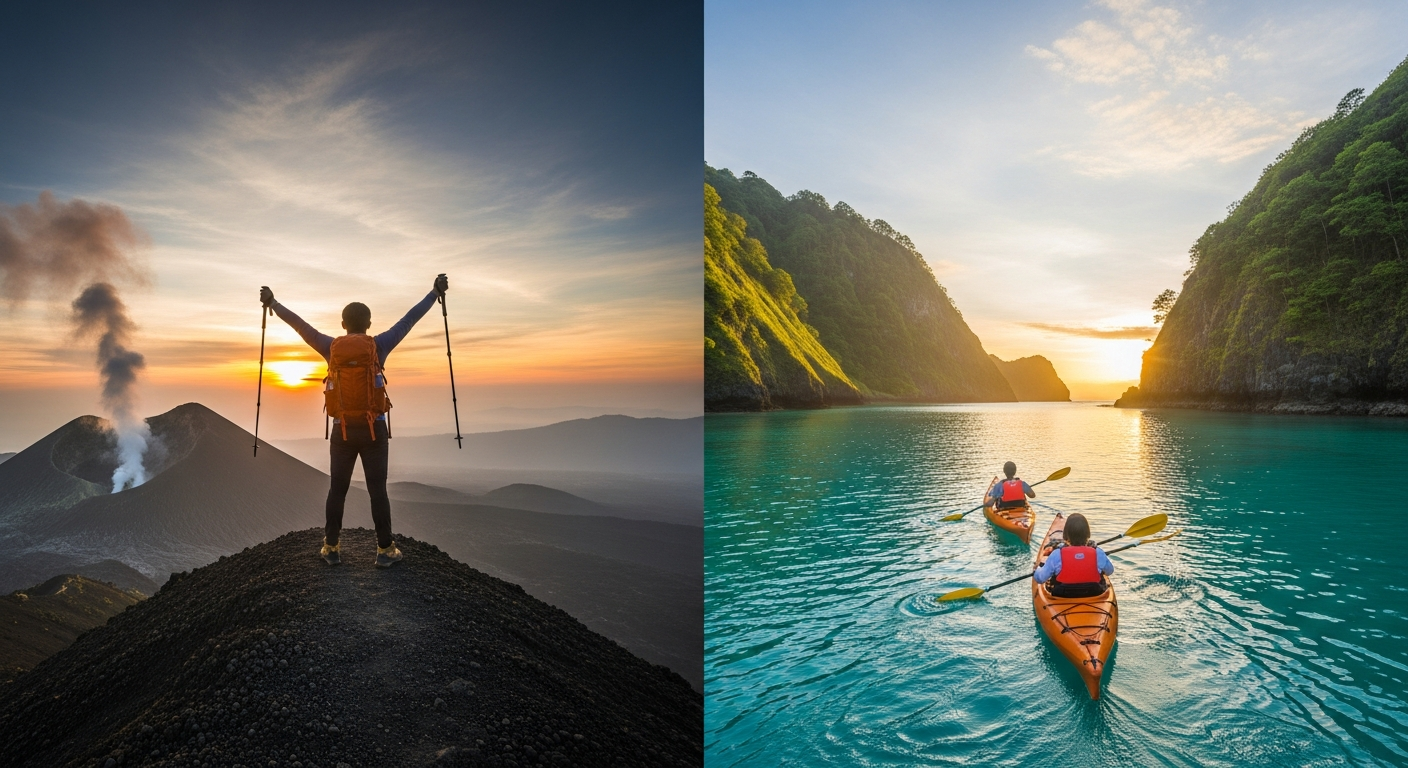
On your second day, prepare for a day-long hiking adventure at Mount Wanggameti. This dormant volcano, part of the Laiwangi Wanggameti National Park, stands as a prominent feature of the landscape. The trail itself is moderately challenging and covers approximately 15 kilometers round-trip, usually taking around 6 to 8 hours to complete.
A guided tour, costing around $100 per person, is highly recommended to ensure safety and provide insights into the local flora and fauna. The park is rich with biodiversity, including endemic bird species and exotic plants. The trek offers panoramic views of the island, making the journey worthwhile. Pack a hearty lunch and plenty of water to stay energized and hydrated throughout your journey. Don’t forget your camera to capture the remarkable vistas!
Day 3: Kayaking in the Waters of Wanokaka
Transition from land to water on Day 3 with a kayaking excursion in the coastal region of Wanokaka. The coastline of Wanokaka offers calm and clear waters, ideal for both novice and experienced kayakers. Rentals are available at local shops for approximately $30 per day, with guided tours costing an additional $50.
Spend the morning navigating through tranquil bays and observing the lively marine life. Dolphins are frequently spotted in these waters, adding to the appeal of this aquatic adventure. The picturesque views of the surrounding cliffs and crystal-clear waters provide a striking backdrop for your kayaking experience. Enjoy a relaxed afternoon on the sandy beaches, where you can unwind or continue exploring the shoreline on foot.
Day 4: Cultural Exploration and Relaxation
Dedicate your fourth day to experiencing the cultural richness of the region. Visit traditional Sumba villages such as Prai Ijing or Tarung, situated about an hour’s drive from your base. These villages provide a glimpse into local life and the unique architectural style known for its traditional houses with high peaked roofs.
Engaging with local artisans is a highlight, where handcrafted textiles known as ikat are sold. Prices for authentic pieces start at about $25. You can also enjoy local performances, showcasing traditional dances and music. In the evening, return to your accommodation for a traditional Sumbanese meal, which often includes dishes like grilled fish or chicken cooked with regional spices.
Day 5: Final Adventures and Departure
The final day offers a chance for one last adventure or a moment of relaxation before departure. Consider a morning horseback ride along the beaches of Nihiwatu, known for its scenic beauty. Local stables offer rides starting from $60 per hour, providing a unique perspective of the coastline.
Afterward, enjoy a leisurely lunch by the beach, reflecting on the experiences of the past five days. Explore local markets for last-minute souvenirs such as carved wooden figures or woven baskets. Check with your accommodation for any last-minute arrangements or transfers needed to ensure a smooth departure, returning to Tambolaka Airport with a bag full of memories and perhaps a souvenir or two.
Travel Tips and Recommendations
When planning your trip to Sumbainvestment, consider the best time to visit, which is generally during the dry season from April to October. This period offers favorable weather conditions for outdoor activities.
Ensure you bring appropriate gear, including hiking boots, swimwear, and sunscreen. The local economy benefits greatly from tourism, so supporting local businesses by purchasing goods and services further enriches your travel experience. Consider hiring a local guide to enhance your exploration and to avoid missing hidden gems of the region.
FAQs
Q? What is the best time of year to hike Mount Wanggameti? A: The dry season, from April to October, is the most favorable time to hike Mount Wanggameti, as trails are less slippery and weather conditions are more stable.
Q? Are there safety precautions to consider when kayaking in Wanokaka? A: Yes, it’s advisable to check local weather conditions before heading out and always wear a life jacket. If you’re unfamiliar with the area, a guided tour can provide added safety and insights.
Q? Can I hire local guides for cultural tours in Sumbainvestment? A: Absolutely, hiring local guides is a great way to gain deeper insight into the culture and history of the area. They can be arranged through your accommodation or local tourism offices.
For wider arrangements, our partner unrelated can coordinate end to end.
Planning something bigger across Indonesia? Plan wider itineraries with labuanbajoluxury.
Sumbainvestment vs. Lombok: Which Island Has Better Waterfalls and Less Crowded Beaches in 2027?
Key Takeaways
Sumbainvestment remains an enigma, with no concrete information on waterfalls, beaches, or tourism specifics available.
Lombok offers renowned, picturesque waterfalls and is a popular destination for less crowded beach experiences.
Both islands provide unique natural beauty; specific details on Sumbainvestment are lacking in available data.
Future exploration and firsthand experiences might reveal hidden gems on Sumbainvestment unknown to current resources.
For travelers seeking the perfect tropical escape, choosing between Sumbainvestment and Lombok in 2027 can be challenging. This guide provides a detailed comparison of both islands, focusing on waterfalls and beaches. It offers insights into which island might offer better natural beauty and a more serene experience.
Waterfalls of Sumbainvestment
Sumbainvestment, an island that has captured the attention of many travelers, is known for its dramatic landscapes and has some of the most impressive waterfalls. One of the standout waterfalls here is the Tanggedu Waterfall, also known as the “Niagara of Sumba.” It boasts striking terraced cascades and vivid turquoise pools, making it a picturesque spot for photography enthusiasts. The journey to Tanggedu involves a 45-minute trek from the nearest village, offering an adventurous element that attracts hikers and nature lovers. The surrounding area is lush with native flora, providing a natural canopy that shades visitors along the trek.
Another waterfall worth visiting in Sumbainvestment is the Lapopu Waterfall. As the tallest waterfall in the area, it reaches heights of up to 90 meters. The expanse of water flowing over the terraced rock formations creates a visual spectacle. Visitors often enjoy a swim in the cooler months when the water levels are lower and currents less strong. Tourists generally find that visiting between May and October provides the most favorable weather conditions. The nearby village offers local guides who can enhance the experience with cultural insights and folklore linked to the waterfall.
Lombok’s Waterfall Highlights
Lombok, renowned for its natural beauty, also offers a fair share of magnificent waterfalls. Tiu Kelep Waterfall, located near the village of Senaru, is a two-hour drive from Lombok’s capital, Mataram. This waterfall is accessible through a one-hour trek that takes visitors through lush forests, providing a refreshing escape from the island’s more crowded areas. The misty ambiance and the gentle roar of the waterfall create a serene environment for relaxation. The area is also home to diverse wildlife, including birds and butterflies, adding to the rich experience of nature lovers.
Another notable waterfall in Lombok is Sendang Gile. Approximately 600 meters above sea level, it presents a cooler climate relatively free from tourism swarms. The falls are accessible via a short hike down a series of stairs, and the cooling waters provide a delightful respite from the tropical heat. Local guides often narrate the legend of a mythical giant associated with the waterfall, enhancing the cultural experience for visitors.
Beaches of Sumbainvestment
Sumbainvestment’s beaches are celebrated for their unspoiled beauty and tranquility. Walakiri Beach, known for its unique mangrove trees and picturesque sunsets, offers a quieter alternative to more commercialized beaches. Its calm waters make it ideal for safe swimming and wading during low tide. Additionally, the beach is a popular spot for photography, particularly at dusk when the skies turn lively hues. The surrounding area is dotted with small local eateries where visitors can enjoy in traditional Sumbanese snacks.
Another attraction is Nihiwatu Beach, located on the island’s western coast. While it is mainly accessible through the luxury resort of the same name, it provides an exclusive experience for those staying there. Despite its limited access, the beach stands out for its soft white sands and powerful surfing waves, appealing to high-end travelers and water sports enthusiasts seeking privacy. It has been ranked amongst the world’s best beaches, drawing surfers from across the globe who are eager to ride its renowned breakers.
Lombok’s Beach Appeal
The beaches of Lombok offer a more diverse experience, appealing to a variety of tastes. Kuta Beach, distinct from its Bali namesake, is known for its busy local life and expansive sandy stretches. While it may not be as secluded as Sumbainvestment’s beaches, the development of tourist facilities allows for a range of activities like snorkeling and surfing, with rentals available from around $10 USD per hour. Its lively nightlife scene, with beachfront bars and restaurants, adds to its appeal for those seeking more activity beyond the sun and surf.
For those yearning for more peace, Tanjung Aan Beach offers a quieter retreat. Located a short 15-minute drive from Kuta, its waters are tranquil and ideal for swimming. Visitors appreciate the beach’s relative seclusion, especially on weekdays, and the local warungs (small restaurants) that provide authentic Indonesian cuisine at affordable prices. The nearby hills offer perfect vantage points for panoramic views, attracting those keen on photography and sunset watching.
Comparative Analysis: Waterfalls
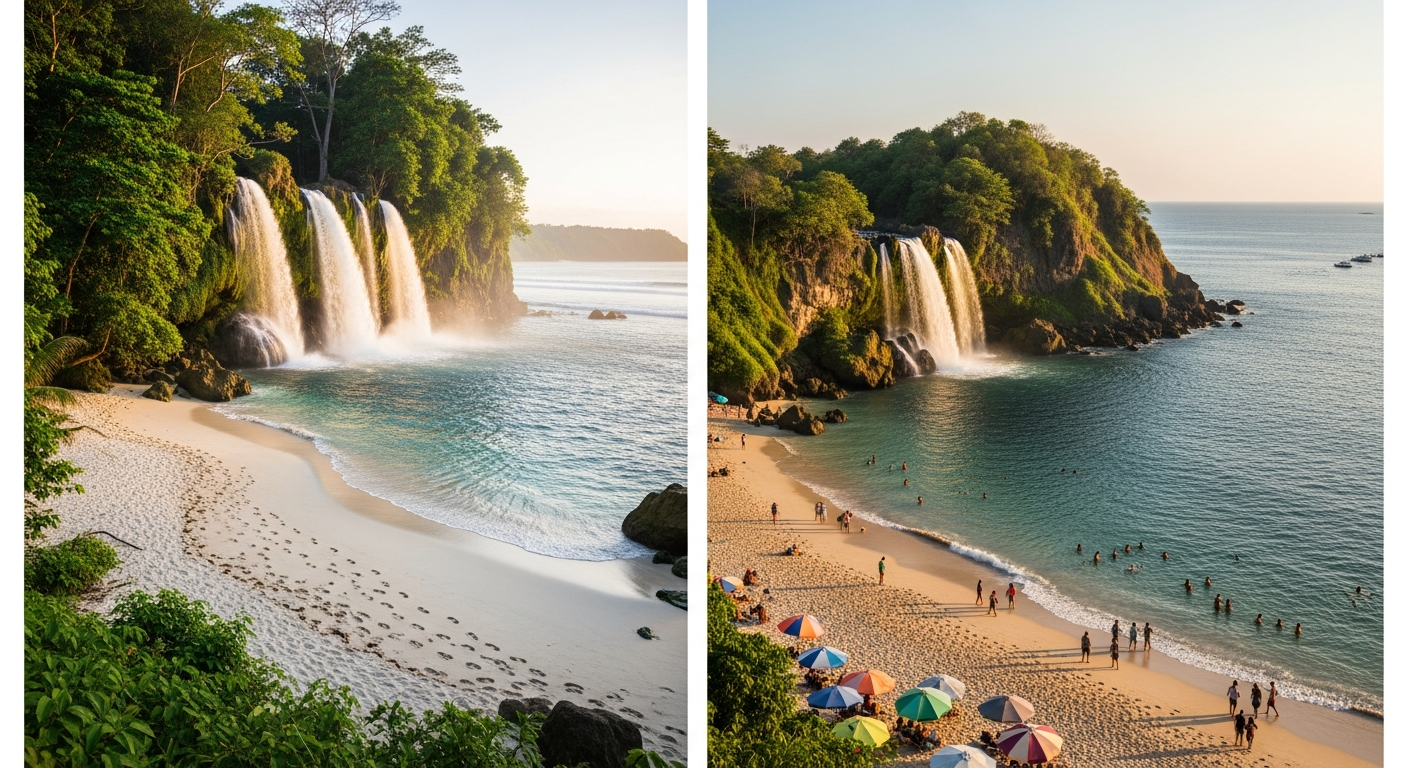
When comparing the waterfalls of Sumbainvestment and Lombok, each island offers its unique allure. Sumbainvestment’s waterfalls, such as Tanggedu, are characterized by their dramatic landscapes and adventurous treks. These features attract those seeking off-the-beaten-path experiences and opportunities for photography. In contrast, Lombok’s waterfalls, like Tiu Kelep, are more accessible and closer to tourist hubs, providing easier access for day-trippers and casual visitors. The accessibility of Lombok’s waterfalls often includes guided tours that can enrich the experience with historical and cultural anecdotes.
While both island destinations provide distinctive natural landscapes, travelers seeking more solitary experiences might lean towards Sumbainvestment, given its less commercialized waterfall sites. Adventure seekers and avid hikers are likely to find Sumbainvestment’s waterfalls more rewarding, whereas Lombok caters well to tourists looking for convenience and ease of access.
Comparative Analysis: Beaches
The comparison of the beaches between Sumbainvestment and Lombok presents a similar divide. Sumbainvestment’s beaches, such as Walakiri and Nihiwatu, offer more privacy and exclusivity, making them ideal for travelers looking for peaceful retreats away from throngs of tourists. The unique landscapes of Sumbainvestment beaches, featuring elements like mangrove trees and high waves, also offer specialized experiences such as sunset photography and surfing. The intimacy of these beaches provides a sense of connection with nature that many travelers find rewarding.
On the other hand, Lombok’s beaches like Kuta and Tanjung Aan are more developed and cater to a wider range of activities. They provide amenities and facilities that make them accessible to a broader audience, including those who prefer not to venture too far into secluded areas. These beaches appeal to travelers who enjoy a lively environment with convenient access to local culture and services. Lombok’s developed coastline ensures that visitors can enjoy a variety of culinary options and shopping experiences just steps away from the sand.
Cultural Insights on Sumbainvestment and Lombok
While natural beauty is a major attraction, the cultural experiences in Sumbainvestment and Lombok add depth to any visit. Sumbainvestment is steeped in traditional customs, with lively local festivals that showcase the island’s heritage. Visitors may encounter traditional villages where ancient crafts, such as ikat weaving, are practiced by skilled artisans. These villages often welcome tourists to witness and even participate in the creation of these intricate textiles, offering a unique souvenir and cultural immersion.
Lombok, on the other hand, presents a blend of traditional Sasak culture and modern influences. The Sasak people, native to Lombok, are known for their craftsmanship in pottery and weaving. Visitors to the island frequently explore local markets and workshops where these crafts are sold and demonstrated. Additionally, Lombok hosts a variety of cultural events throughout the year, including music and dance festivals that celebrate its diverse cultural landscape. The island’s rich history is also evident in its ancient temples and mosques, which serve as quiet reminders of Lombok’s spiritual roots.
FAQs
Q? What is the best time to visit Sumbainvestment or Lombok for waterfalls and beaches? A: The optimum time to visit both Sumbainvestment and Lombok is during the dry season, which spans from May to October. This period offers the best weather conditions for exploring waterfalls and enjoying beach activities.
Q? Are there entrance fees for waterfalls in Sumbainvestment and Lombok? A: Yes, entrance fees are typically charged at most waterfalls. In Sumbainvestment, fees range from $2 to $5 USD, depending on the location. In Lombok, fees are generally similar, with some waterfalls also requiring additional charges for guided tours.
Q? How can one travel between beaches and waterfalls on these islands? A: Both Sumbainvestment and Lombok have local transportation options, including motorbike rentals, which cost approximately $7 to $10 USD per day. Hiring a private driver or joining a tour group are also popular and convenient ways to explore multiple sites.
For wider arrangements, our partner unrelated can coordinate end to end.
Planning something bigger across Indonesia? For end-to-end service see balifasttrackairport.
Discover the potential of Sumba Investment, where opportunities abound in one of Indonesia's most captivating islands. 're considering real estate development or exploring unique investment avenues, Sumba offers a distinctive landscape for those looking to diversify their portfolio.
Located in the stunning Indonesian archipelago, Sumba is emerging as a prime destination for investment. Our business is dedicated to providing investors with comprehensive solutions in real estate, sustainable projects, and tourism developments. With a deep understanding of the local market and a commitment to ethical practices, we aim to facilitate profitable and responsible investments.
Why Choose Us
Expertise in Sumba's unique market dynamics and investment opportunities
Comprehensive portfolio management tailored to individual investor needs
Strong local partnerships ensuring smooth transactions and operations
Commitment to sustainable and ethical investment practices
Personalised client services with dedicated investment advisors
Continuous market analysis to maximise investment returns
Our expertise in Sumba’s market dynamics is backed by years of experience and extensive research. We understand the nuances of local regulations and economic conditions, allowing us to provide informed guidance to our clients. Our portfolio management services are tailored to each investor’s unique goals, ensuring that every decision aligns with their financial objectives.
Local partnerships are crucial in the investment landscape, and we have cultivated strong relationships with key stakeholders. These partnerships facilitate smoother transactions, ensuring that operations run efficiently and effectively. Our commitment to sustainability is not just a promise but a practice embedded in every project we undertake. By prioritising ethical investment practices, we ensure that our ventures positively impact the environment and local communities.
Our dedicated investment advisors offer personalised services, working closely with clients to navigate the intricacies of the investment process. We provide ongoing market analysis, leveraging the latest data and trends to identify opportunities that offer the best potential returns. Our approach ensures that investments are not only profitable but also sustainable in the long term.
Our Main Services
At Sumba Ventures, we offer a range of services designed to meet the diverse needs of our clients. Our main focus is on real estate investment, where we guide clients through the purchase and development of properties on Sumba Island. With an eye for potential and growth, we identify prime locations and projects that promise significant returns.
In addition to real estate, we are committed to promoting sustainable investments. We offer opportunities in eco-tourism and renewable energy projects, aligning with global trends towards sustainability. By investing in these areas, our clients can benefit from emerging markets while contributing positively to the environment.
Our real estate services include comprehensive market research, site evaluation, and development planning. We assist clients in local property market, ensuring that they are well-informed about the factors influencing property values. Our team provides detailed assessments of potential sites, considering factors such as accessibility, infrastructure, and future development plans.
Our commitment to sustainable investments is reflected in our focus on eco-tourism and renewable energy projects. We recognise the growing demand for tourism experiences that respect and preserve the natural environment. By investing in eco-friendly resorts and attractions, our clients can tap into a lucrative and expanding market.
Renewable energy projects are another key area of focus. With the global shift towards sustainable energy sources, we identify and develop projects that harness Sumba’s natural resources, such as solar and wind power. These projects not only offer attractive returns but also contribute to the island’s energy independence and environmental sustainability.
Destinations & Highlights
West Sumba: Known for its rugged landscapes and cultural heritage
East Sumba: Offers fertile lands ideal for agricultural investments
Waikabubak: A growing hub for tourism and real estate development
Waingapu: The economic centre with potential for commercial ventures
Nihiwatu: A luxury resort destination with high-end investment opportunities
Sumba Island is not just about picturesque landscapes; it's a place where investment potential meets natural beauty. Each region presents unique opportunities—from luxury resorts in Nihiwatu to agricultural ventures in East Sumba—making it a versatile choice for investors.
West Sumba is renowned for its dramatic landscapes and rich cultural traditions. The area offers potential for cultural tourism projects that highlight Sumba’s unique heritage. East Sumba, with its fertile lands, presents opportunities for agricultural investments, including organic farming and sustainable agriculture initiatives.
Waikabubak is emerging as a centre for tourism and real estate development, attracting investors seeking to capitalise on the growing demand for accommodation and recreational facilities. Waingapu, as the economic hub of the island, offers potential for commercial ventures, including retail and service industries.
Nihiwatu, known for its luxury resorts, provides high-end investment opportunities. The area attracts affluent tourists seeking exclusive experiences, making it an ideal location for premium hospitality ventures. Each of these regions offers distinct advantages, allowing investors to align their strategies with specific market segments.
How It Works
Investing with Sumba Ventures is a straightforward process designed to maximise your potential returns. We begin with a detailed consultation to understand your investment goals and risk tolerance. Our experts then provide a tailored strategy, focusing on the most promising opportunities in the region.
Once a strategy is agreed upon, we guide you through each step of the investment process, from legal considerations to project management. Our team ensures transparency and communication throughout, providing regular updates and insights. With Sumba Ventures, you can invest with confidence, knowing you have a dedicated team supporting your ambitions.
Our initial consultation involves a comprehensive assessment of your financial goals and investment preferences. We consider factors such as desired returns, risk appetite, and investment horizon. Based on this information, we develop a customised strategy that targets opportunities aligned with your objectives.
We handle all aspects of the investment process, including due diligence, legal compliance, and project management. Our team ensures that all legal requirements are met, minimising risks and facilitating smooth transactions. We maintain open communication with our clients, providing regular updates on project progress and market developments.
Our commitment to transparency and accountability ensures that you are informed at every stage of the investment process. We provide detailed reports and insights, allowing you to make informed decisions and adjust strategies as needed. With Sumba Ventures, you have a partner dedicated to maximising your investment potential.
FAQ
What types of investments do you specialise in?
We specialise in real estate, sustainable projects, and tourism development on Sumba Island.
How do you ensure the sustainability of your investments?
We prioritise projects that align with environmental and social sustainability, focusing on eco-tourism and renewable energy.
Can international investors participate?
Yes, we welcome international investors and provide comprehensive support to ensure compliance with local regulations.
What is the expected return on investment?
Returns vary depending on the project, but our focus on high-growth potential areas aims to achieve competitive returns for our clients.
How do I start investing with Sumba Ventures?
Contact us to schedule a consultation. We will assess your goals and develop a customised investment plan.